November 7, 2026
Planning a reliable water supply involves evaluating property conditions, groundwater availability, household demand, and well placement. In North Carolina, geology, rainfall, and nearby land uses can affect well performance. An experienced well drilling company assesses these factors and recommends suitable equipment to help establish a dependable water system tailored to the property's needs.
How Property Conditions Shape Well Planning
Every property presents different considerations when planning a private well. The amount of available space, the terrain, access for drilling equipment, and the location of existing structures can influence where a well may be installed. A suitable location must also account for potential contamination sources and applicable separation requirements.
In North Carolina, groundwater conditions depend partly on the region's geology. Some areas have groundwater stored in weathered rock or soil, while others rely on fractures within underlying bedrock. These differences can affect how a well is constructed and how much water it may produce. A nearby well may provide useful context, but its depth and performance do not guarantee identical results on another property.
A well drilling company considers these site-specific factors when assessing the project. The evaluation may include reviewing property layout, identifying access limitations, and considering available information about local groundwater conditions. Contractors must also account for applicable state and local requirements when determining a suitable well location.
Early planning can help identify challenges before drilling begins. It also gives property owners a clearer understanding of what the project involves, which decisions need to be made, and how site conditions may influence the final design.
How Water Demand Determines Well Capacity
A well must serve the needs of the people and activities that depend on it. A home with one or two occupants may have different water requirements from a larger household with several bathrooms, laundry facilities, irrigation, or other water-intensive uses. Understanding expected demand helps guide decisions about the well and its supporting equipment.
Water demand includes more than the total amount used throughout a day. Peak demand also matters. Several fixtures operating at the same time can require a higher flow rate than a single faucet running intermittently. A properly planned system considers both everyday consumption and periods when multiple water uses overlap.
A well drilling company can discuss the property's intended use and explain how water demand affects planning. The goal is to develop a system suited to the household rather than assume that every home requires the same configuration. Expected demand can help inform decisions about pump capacity, pressure equipment, and storage where appropriate.
Property owners should mention anticipated changes, such as adding bathrooms or expanding irrigation, during the planning process. Considering these needs early may help avoid equipment choices that do not fit the property's long-term requirements.
How Groundwater Conditions Influence Well Depth
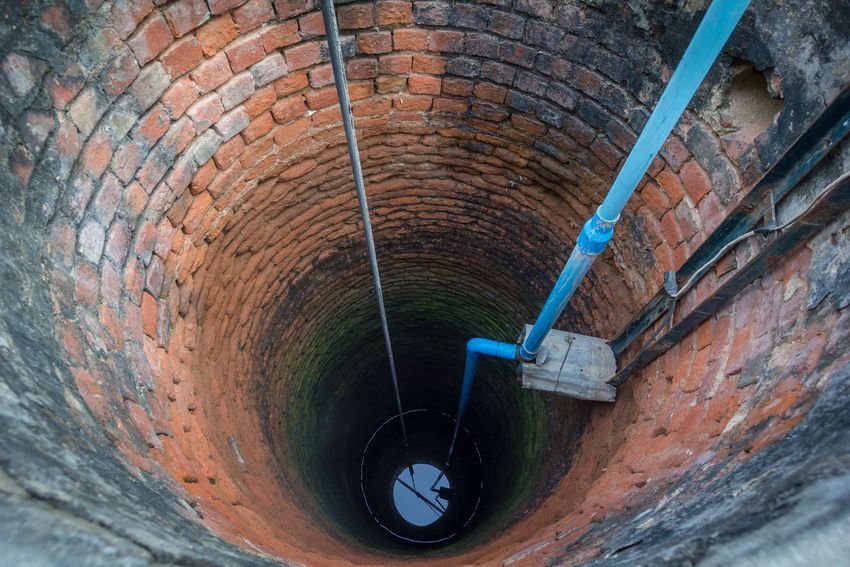
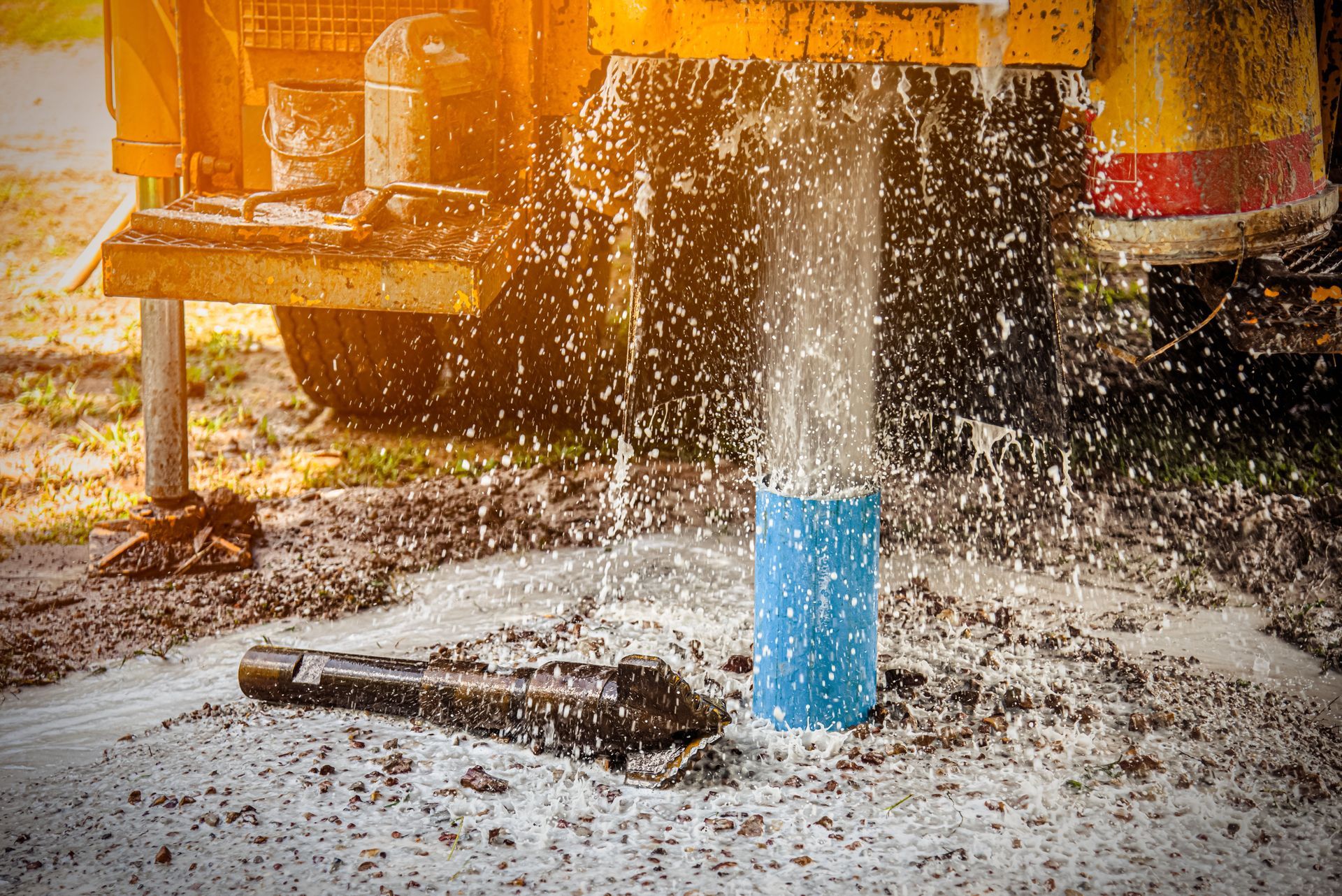
The depth of a well depends on local geological conditions and the groundwater available at the site. Water-bearing formations do not occur at a uniform depth, even within the same general area. Drilling may need to continue through different soil and rock layers before a suitable water source is reached.
According to Forbes, drilling a standard residential well at a depth of 100 to 200 feet generally costs between $3,000 and $9,000. This estimate provides a broad reference rather than a guaranteed price for a particular property. Actual costs can vary with location, geology, drilling conditions, required materials, labor, and the equipment needed to complete the system.
A well drilling company uses available site information and professional experience to plan for the expected drilling conditions, while recognizing that the final depth may not be known until work progresses. The goal is to establish a well that can provide a suitable water supply, not simply to reach a predetermined depth.
North Carolina's varied terrain makes this evaluation especially important. Groundwater conditions in the Piedmont may differ from those in coastal or mountainous areas. A site-specific assessment helps contractors develop realistic expectations and explain why depth and construction requirements can vary between properties.
How Well Location Protects Water Quality
Water quality is a central consideration when planning a private well. Its location should account for potential contamination sources, including septic systems, wastewater features, fuel storage, and other land uses that may affect groundwater. Appropriate separation distances and construction practices help reduce the risk of contaminants entering the water supply.
A well's position must also work within the property's layout. The location should allow access for drilling and future service while respecting relevant setbacks and local requirements. Sloping ground, drainage patterns, and nearby structures may affect how the site is evaluated. A location that appears convenient is not necessarily the best choice if it creates water quality or access concerns.
A well drilling company helps determine safe well placement based on North Carolina requirements, groundwater conditions, and nearby contamination risks. Proper construction and sealing protect water quality by limiting surface water entry. After installation, regular testing checks for potential contaminants and helps private well owners maintain a safer supply, following recommendations from local health authorities.
How Pumps and Pressure Systems Deliver Water
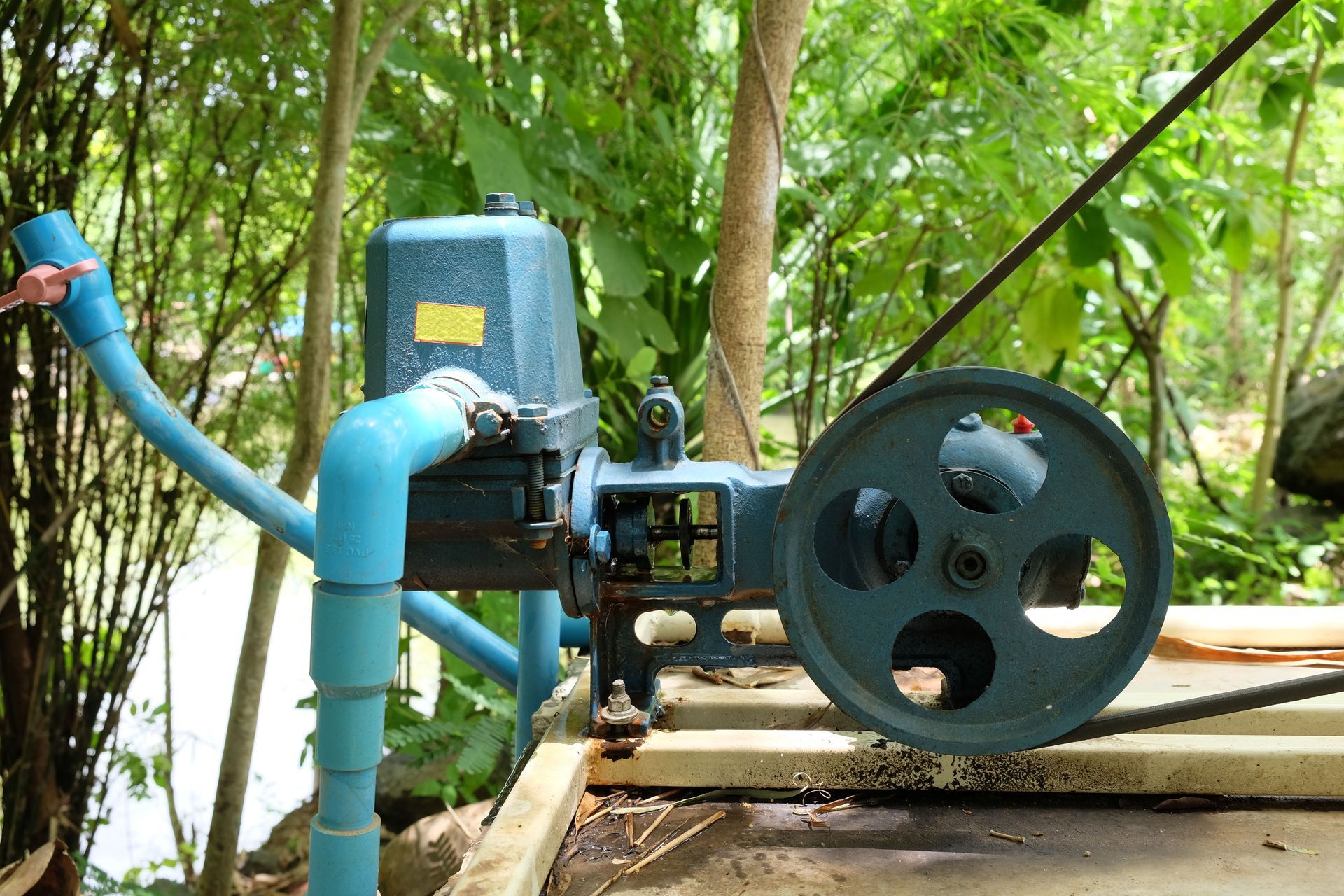
Drilling establishes access to groundwater, but the complete water system needs equipment to bring that water into the home. A pump moves water from the well, while pressure equipment helps deliver it through household plumbing. The appropriate setup depends on the well's characteristics, the expected demand, and the property's layout.
Pump selection involves more than choosing a model based on household size. Well depth, the water level during pumping, the required flow rate, and the system's pressure needs all influence equipment selection. A pump that does not match these conditions may struggle to meet demand or operate inefficiently.
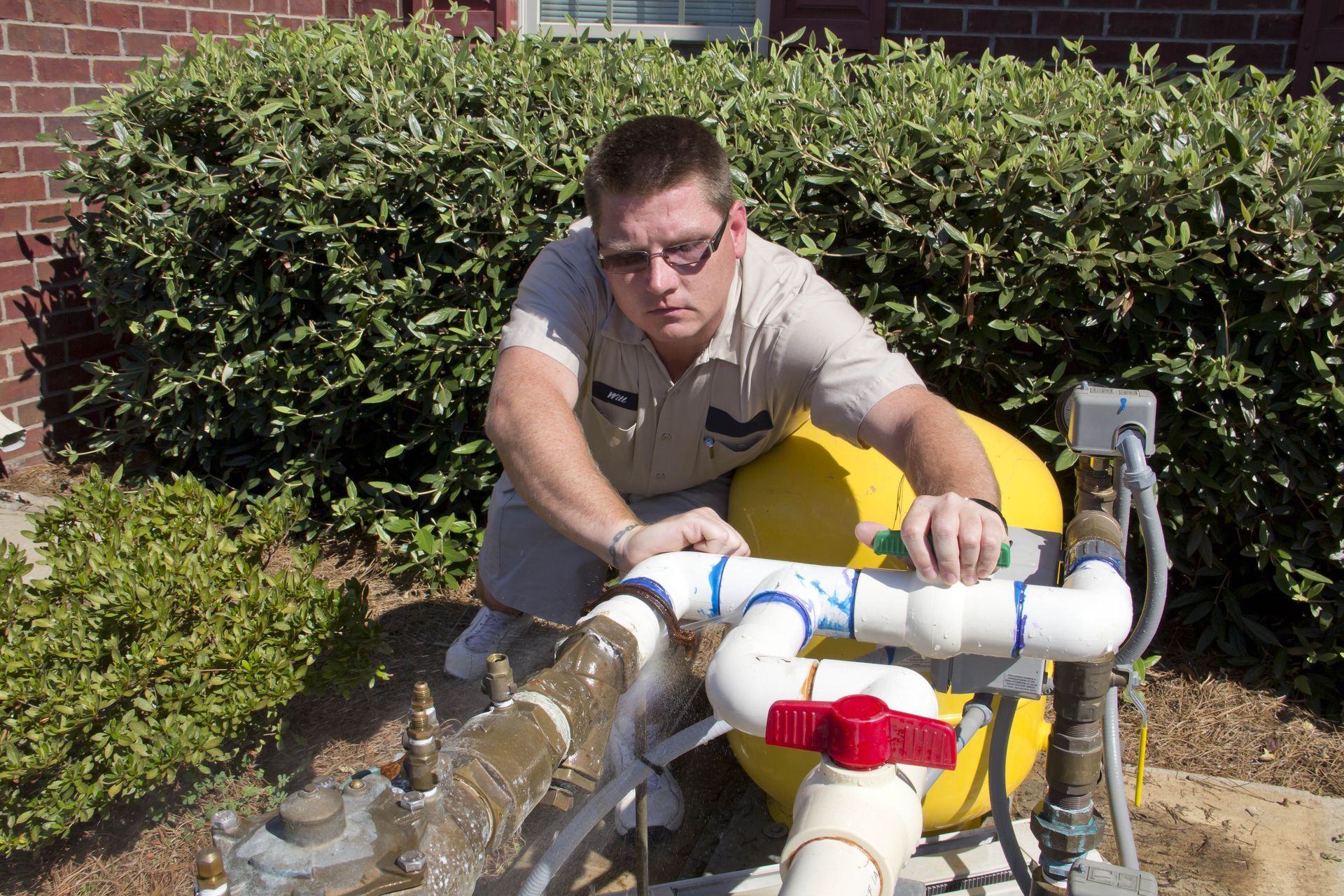
Pressure tanks can help reduce how frequently a pump starts and stops, depending on the system design. Controls and other components also play a role in maintaining consistent operation. The exact configuration should reflect the well's performance and the home's water-use requirements.
When planning a new system, a well drilling company can explain how the well and its equipment work together. Property owners benefit from understanding what the system is designed to provide and which components may need routine inspection or service. This discussion also helps clarify that water availability depends on both groundwater conditions and the equipment used to deliver it.
How Seasonal Conditions Affect Water Supply Planning
North Carolina's seasonal weather can influence private water systems in different ways. Periods of heavy rainfall may increase surface runoff and highlight drainage concerns around a well, while extended dry weather can affect groundwater levels in some locations. These effects vary by geology, well construction, and local conditions, so rainfall alone cannot predict how a particular well will perform.
Planning should account for the property's intended use throughout the year. Homes with seasonal irrigation or other outdoor water demands may use more water during hot months than during cooler periods. Discussing these patterns before installation helps contractors consider expected demand when recommending system components.
Proper grading, a secure wellhead, and routine inspections help protect water quality and system performance. A company evaluates site conditions, seasonal risks, expected demand, and equipment needs to support reliable water access and informed long-term planning.
Working with a well drilling company also gives property owners a resource for understanding the relationship between the well, pump, pressure system, and water quality. Once the system is installed, regular inspections, appropriate water testing, and timely attention to equipment concerns can help maintain reliable operation.
For North Carolina property owners planning a new private well, Morgan Well & Pump Inc can help explain the well drilling process and discuss water supply needs based on the property and its intended use. Contact Morgan Well & Pump Inc to learn more and contact the team about planning your water supply.