August 29, 2026
For homeowners who rely on private water systems, having a dependable well can provide an important source of water for everyday needs. However, installing a well involves more than simply choosing a location and making a hole in the ground. Several factors can influence the success, cost, and performance of the finished system. Property owners need to consider groundwater conditions, site accessibility, equipment, permits, and the type of pump that will eventually be installed. Understanding the process ahead of time can make the project easier to manage and help homeowners know what to expect. Professional planning is also important because underground conditions cannot always be determined from the surface. With the right preparation, homeowners can approach the project with realistic expectations. Working with an experienced contractor can also help ensure that important details are considered from the beginning.
Understanding Groundwater Conditions
Groundwater conditions are one of the biggest factors affecting the location and depth of a residential well. Water may be found at different depths depending on the area's geology, rainfall patterns, soil composition, and underground water tables. According to HomeGuide, residential water wells are typically between 100 and 300 feet deep on average, although the actual depth depends on local groundwater levels. This means one property may require a much deeper installation than another property located only a short distance away. Experienced professionals can use local knowledge and available information to help determine what conditions may exist beneath the property. Well drilling should therefore begin with an understanding that there is no universal depth that works for every home. Homeowners should also understand that reaching groundwater does not automatically guarantee the desired water production. A professional evaluation can help establish reasonable expectations before equipment and drilling work begin.
Choosing the Right Well Location
Selecting an appropriate location is another important part of preparing for a residential water well. The well should be positioned where it can provide access to groundwater while remaining safely separated from potential sources of contamination. Property layout, soil conditions, drainage patterns, existing structures, and underground utilities can all affect the decision. Homeowners should also consider how easily drilling equipment can reach the selected area. A location that looks convenient from inside the home may be difficult for large machinery to access. Well drilling professionals can evaluate the property and identify practical locations based on both site conditions and project requirements. Choosing the location carefully can also make future maintenance and service more convenient. Taking time to plan the placement before work begins can prevent unnecessary complications later in the project.
Preparing the Property for Equipment
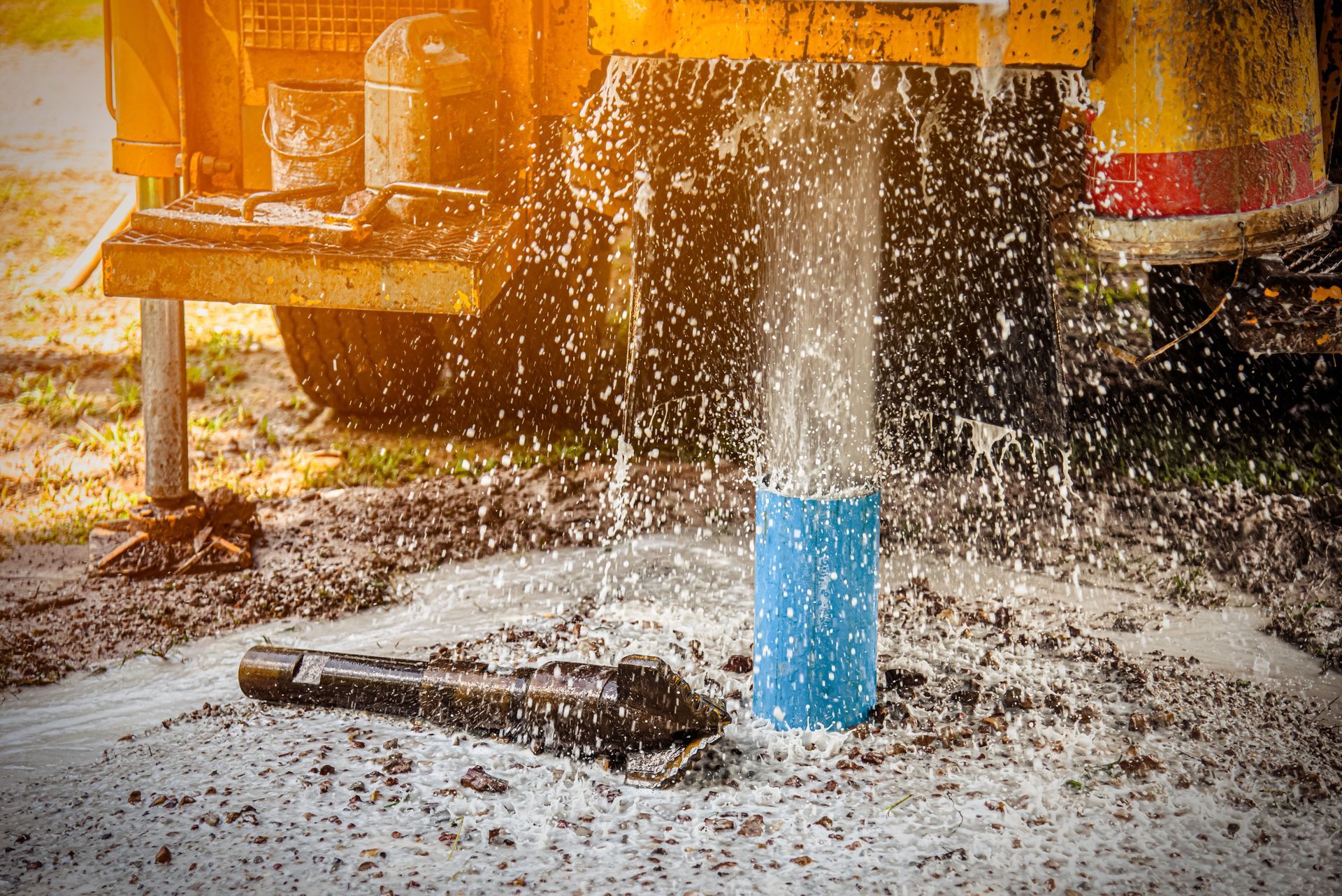
Drilling equipment can be large and may require substantial room to operate safely. Before work begins, homeowners should make sure the property provides a suitable access route for trucks, machinery, and other equipment. Trees, fences, landscaping features, sheds, vehicles, and other obstacles may need to be moved or protected. The ground should also be evaluated to determine whether heavy equipment can reach the work area without creating unnecessary problems. Well drilling can involve noise, vibration, dirt, and temporary disruption around the property. Homeowners should discuss these conditions with their contractor so they know how the work area will be managed. Preparing the site ahead of time can help the crew work more efficiently once the project begins. It can also reduce the risk of unexpected delays caused by access or property obstacles.
Reviewing Permits and Local Requirements
Residential wells are often subject to local regulations designed to protect groundwater and public health. Permit requirements can vary depending on the location, type of property, and local environmental rules. Homeowners should find out what approvals are necessary before construction begins rather than waiting until the project is underway. There may also be requirements concerning setbacks, well construction methods, testing, inspections, or water quality. A professional contractor familiar with local regulations can help homeowners understand which requirements apply to their project. Well drilling should not begin until necessary permits and approvals have been addressed. Keeping the paperwork organized can also make the overall project easier to manage. Homeowners should ask their contractor which responsibilities belong to the property owner and which steps the contractor will handle.
Planning for Water Testing
Testing the water is an important step once a new residential well has been completed. Groundwater can contain naturally occurring minerals or other substances that may not be visible, tasted, or smelled. Testing provides information about the quality of the water and can help identify whether treatment may be necessary. Depending on local requirements, certain tests may also be required before the well can be approved for residential use. Homeowners should discuss testing procedures with their contractor before the project begins so there are no surprises after construction. Well drilling is only part of creating a functional private water system, and water quality is equally important. If testing identifies an issue, treatment equipment may be recommended to improve the water before it enters the home's plumbing. Keeping records of initial test results can also provide a useful reference for future water quality checks.
Selecting the Appropriate Pump System
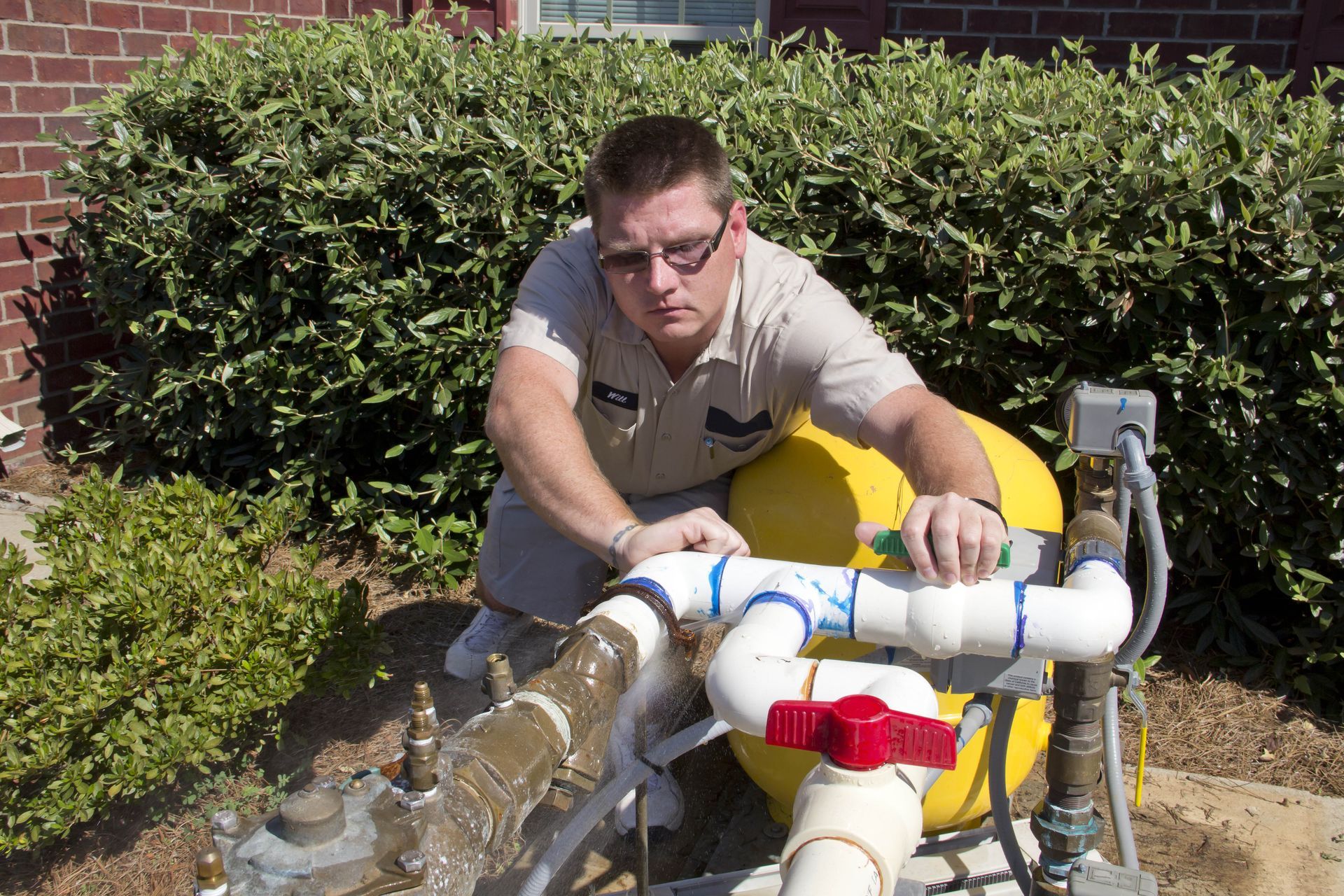
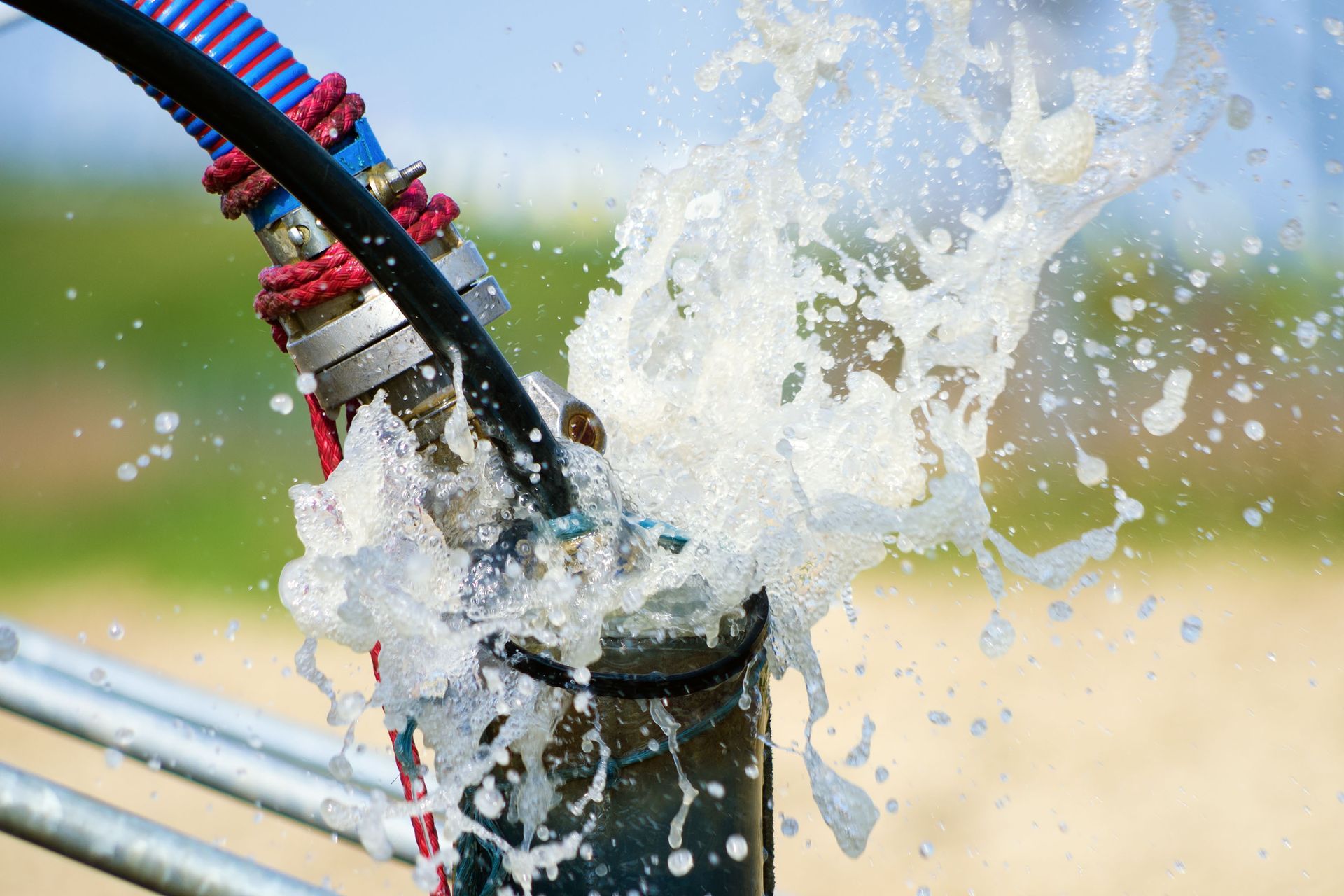
The pump is responsible for moving water from the well into the home's plumbing system. Choosing the right pump depends on factors such as well depth, water level, household demand, and the overall design of the water system. A pump that is too small may struggle to meet the home's needs, while an improperly selected system may operate inefficiently. Homeowners should discuss their expected water usage with the contractor before the pump is selected. Well drilling professionals can use information about the completed well to help determine what type of pumping equipment is appropriate. The system may also include pressure tanks, controls, filtration equipment, and other components that work together to deliver water throughout the home. Proper installation is important because these components need to work together reliably. Planning for the complete system rather than focusing only on the well itself can help homeowners avoid equipment problems later.
Understanding the Project Timeline
The length of a well project can vary considerably from one property to another. Ground conditions, well depth, accessibility, equipment availability, permitting, and weather can all influence the schedule. Homeowners should avoid assuming that every installation will take the same amount of time. Some properties may present straightforward conditions, while others may require additional work to reach an adequate water source. Well drilling may also create temporary noise and activity that homeowners should plan around. Discussing the expected timeline with the contractor can help property owners prepare for disruptions and coordinate other work on the property. Homeowners should also ask how unexpected underground conditions could affect the schedule. Having realistic expectations can make it easier to handle changes without unnecessary frustration.
Budgeting for the Complete System
The cost of a residential well involves more than the drilling itself. Expenses may include site preparation, permits, drilling, casing, pumps, pressure equipment, electrical work, water testing, and potential treatment systems. The final cost can vary depending on the depth required and the conditions encountered underground. Homeowners should request a clear estimate that explains what is included in the project and which costs could change if conditions differ from expectations. Well drilling costs may increase when a property requires additional depth, specialized equipment, or more extensive site preparation. Understanding these possibilities before work begins can help homeowners create a more realistic budget. It is also wise to ask about maintenance costs associated with pumps and other components after installation. Planning for both the initial project and future maintenance can make private well ownership easier to manage.
Morgan Well & Pump Inc can help homeowners navigate the process and determine the appropriate solutions for their water needs. From initial planning through equipment installation and system care, professional guidance can make the project easier to understand. If you are considering a new residential water system, contact us to discuss your property and learn more about your options. With experienced assistance, homeowners can move forward with greater clarity and prepare their property for a dependable private water supply.