August 28, 2026
As global demand for clean groundwater accelerates across municipal, agricultural, and residential sectors, comprehensive well services emerge as vital components in maintaining a secure and reliable water supply. Modern water resource management faces unprecedented challenges driven by ongoing population growth, shifting climatic conditions, and increasing environmental complexity. Meeting these evolving challenges requires specialized technical expertise to manage delicate subterranean aquifers, mitigate regional contamination risks, and secure long-term water sustainability across a wide variety of domestic, commercial, and agricultural operational settings throughout the entire country.
Safeguard mechanisms must extend far beyond initial groundwater extraction to preserve drinking water distribution systems over extended operational timelines. From foundational site evaluations and professional drilling execution to routine mechanical testing and ongoing pump maintenance, structured groundwater management mitigates operational risk and protects irreplaceable natural resources. This article examines how professional oversight, preventative maintenance routines, and innovative field technologies work in tandem to stabilize critical water infrastructure for communities, agricultural operations, and private property owners everywhere seeking long-term water security.
Understand Modern Water Infrastructure
Professional groundwater operations cover the complete operational spectrum of groundwater development, encompassing initial geological site assessment, mechanical rehabilitation, pump repair, and long-term regulatory management. Specialists working within this vital field analyze complex hydrogeological formations to optimize pump placement, maximize fluid extraction rates, and prevent long-term mechanical inefficiency. Their deep technical knowledge balances immediate consumer demand with long-term aquifer conservation goals, ensuring that extraction practices remain environmentally safe and economically sustainable over many decades of continuous system performance and reliable community service.
Beyond basic mechanical construction and extraction logistics, managing groundwater infrastructure demands strict adherence to evolving environmental governance, public health safety mandates, and municipal zoning standards. Licensing frameworks mandate that certified industry professionals execute subterranean operations to prevent resource depletion, structural casing collapse, and widespread chemical contamination. Collaborative efforts between specialized private contractors, government environmental oversight agencies, and academic hydrogeology researchers continue to elevate operational benchmarks across the entire industry, establishing comprehensive best practices for sustainable water resource management and aquifer preservation.
Prevent Expensive System Downtime
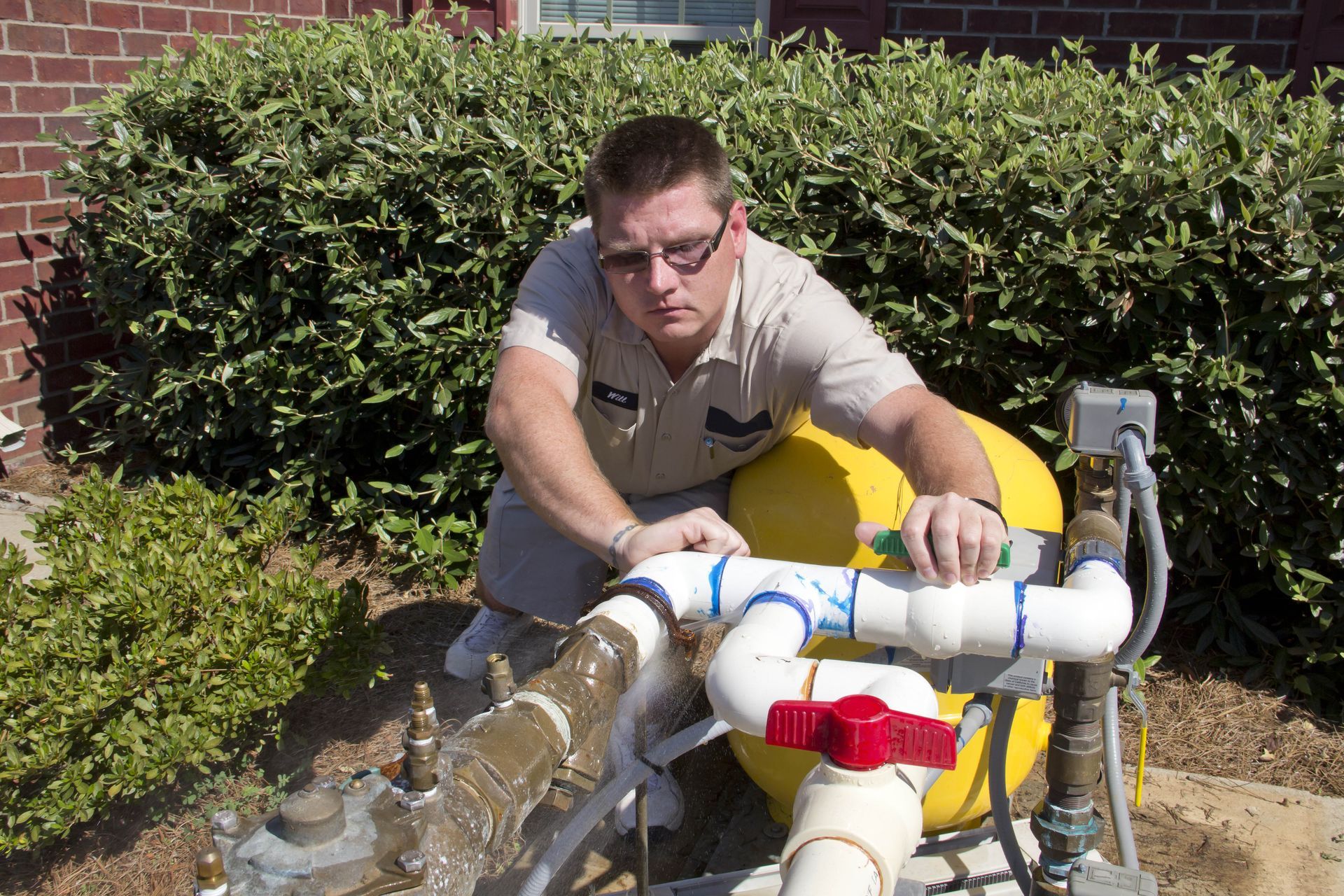
Investing in regular well services helps commercial and residential property owners prevent unexpected operational disruptions, sudden pressure drops, and catastrophic system failures. Scheduled diagnostic checks examine submersible pump assemblies, electrical control boxes, pressure tanks, and overall motor performance to identify subtle mechanical wear before key components fail completely. Implementing proactive inspection protocols significantly lowers emergency repair expenditures while extending the operational reliability, overall safety, and functional capacity of the entire water delivery network over time and across seasons.
Unplanned supply outages disrupt essential daily domestic routines and severe operational workflows for commercial enterprises that rely entirely on uninterrupted water flow. Predictive maintenance models empower trained field technicians to recalibrate control units, clean clogged intake screens, and replace declining hardware without interrupting core operations. This systematic oversight preserves operational continuity, optimizes electrical energy consumption, and keeps overall system performance consistently high throughout demanding periods of peak seasonal water usage across various geographical regions.
Protect Regional Groundwater Quality
Routine well services play a crucial role in protecting vital drinking water from harmful chemical runoff, biological agents, and physical particulate contaminants. Meticulous physical inspections verify the structural integrity of surface seals, pitless adapters, well casings, and specialized filtration apparatuses to prevent surface runoff from seeping into pure groundwater reservoirs. Continuous quality monitoring and certified laboratory testing identify subtle shifts in water mineral balance, allowing technicians to design and deploy targeted filtration and water conditioning systems promptly whenever necessary to maintain health standards.
Neglecting routine sanitary checks dramatically increases the likelihood of dangerous bacterial proliferation, heavy sediment accumulation, and harsh mineral buildup inside internal distribution pipes. Comprehensive maintenance procedures incorporate mechanical well cleaning, specialized chemical shock treatments, and casing repairs to restore water potability and eliminate unpleasant odors or discoloration. Educating property owners on proper wellhead protection strategies further reinforces community public health standards, ensuring local drinking water remains clean, safe, and fully compliant with all state and federal environmental safety regulations.
Maximize Well Life Expectancy
Specialized well services utilize advanced restorative procedures such as hydrofracturing, high-pressure surging, and chemical cleaning to restore optimal water flow in aging subsurface wells. As structural wells mature over decades, natural mineral scale accumulation and biological clogging frequently restrict water entry pathways, significantly diminishing total water yield. Executing targeted restoration procedures clears obstructed channels within surrounding bedrock formations, extending the effective operational lifespan of existing groundwater infrastructure without requiring full system replacement or expensive structural overhauls.
Extending the service life of an established groundwater system offers substantial economic advantages by deferring the significant capital expenditures associated with drilling new replacement wells. Structured maintenance schedules ensure that heavy mechanical components withstand harsh subterranean environments without suffering premature structural deterioration or severe component corrosion. Combining historical operational logging with modern diagnostic technologies enables technicians to make highly informed decisions that maximize long-term asset value, system reliability, and overall property performance for years to come.
Adopt Cutting-Edge Drilling Innovations
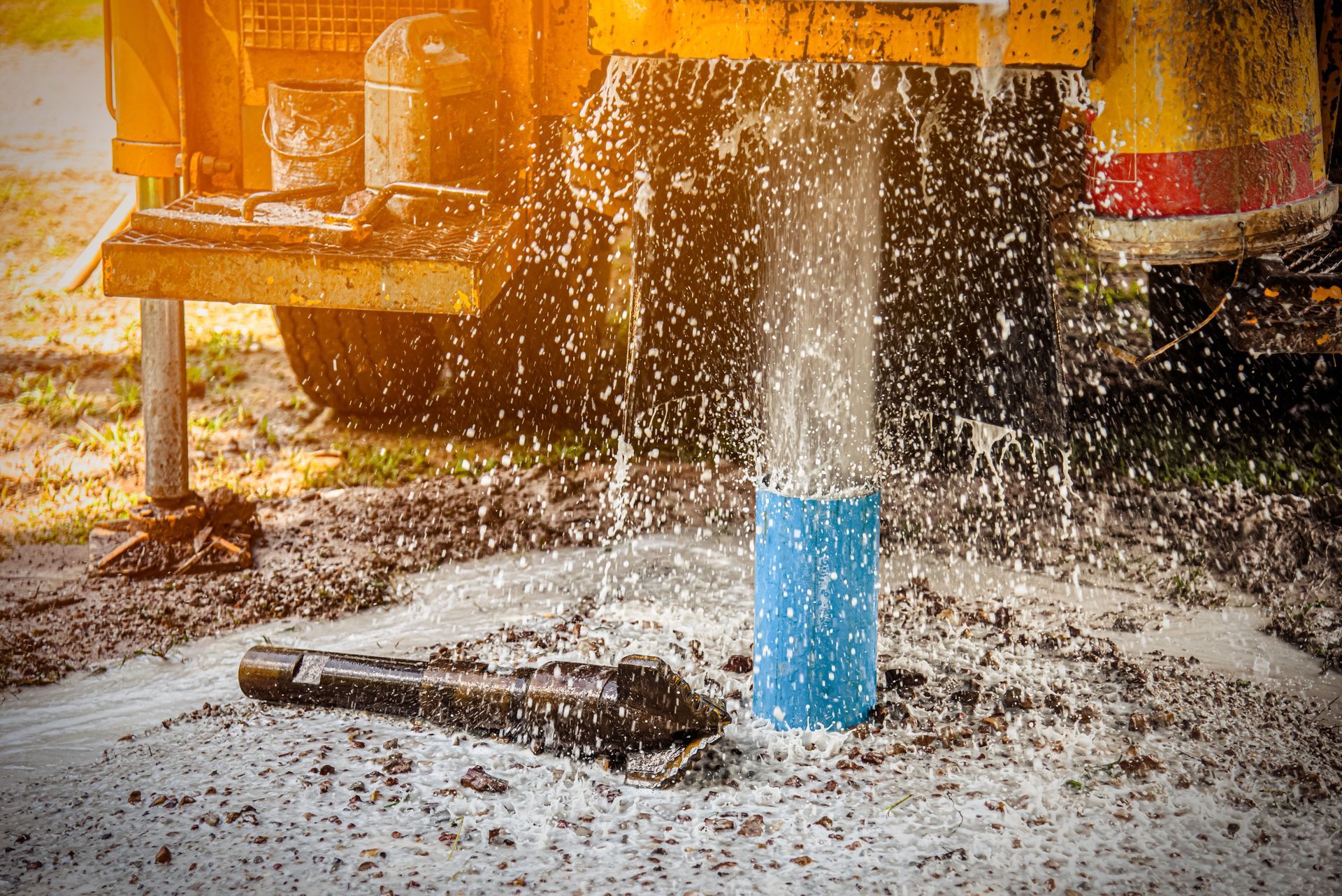
Modern well services integrate advanced mechanical tools and state-of-the-art drilling apparatuses to boost productivity while minimizing subterranean ecological disruption. High-precision rotary rigs, pneumatic air-hammer drills, and horizontal drilling methods empower installation teams to tap deep water aquifers with exceptional directional accuracy. Research compiled according to HomeGuide indicates that constructing a standard household water well generally requires one to three days, depending upon total drilling depth and subterranean soil conditions.
Engineering breakthroughs allow installation technicians to navigate highly challenging rock formations and shifting soil layers that historically presented severe drilling obstacles. Intelligent drilling rigs utilize automated feedback systems to refine bit positioning, control excavation pressure, and eliminate human error during complex operations. These refined methods minimize surface footprint damage, lower total fuel consumption during construction, and build highly durable structural foundations capable of providing dependable water access for generations to come without frequent intervention.
Utilize Automation and Data Analytics
The evolution of well services relies heavily on cutting-edge digital tracking tools, wireless telemetry, and smart sensor technologies embedded within the system. Remote monitoring systems record real-time metrics including fluid pressure, gallon throughput, static water levels, and electrical motor draw, transmitting data directly to central management software. Instantaneous digital alerts notify technicians of unexpected performance drops, enabling rapid corrective interventions before minor operational anomalies turn into permanent pump destruction or severe component burnout.
Integrating artificial intelligence models and predictive software algorithms transforms reactive maintenance into a highly organized proactive strategy. Advanced analytical tools evaluate historical consumption trends to anticipate hardware degradation and schedule pumping cycles during off-peak energy hours for maximum cost efficiency. Automated robotics equipped with specialized high-resolution cameras explore subterranean casing walls to assess structural integrity, ensuring top-tier operational safety and quality assurance without requiring invasive excavation work or prolonged system shutdowns.
Securing a dependable water supply demands an unyielding commitment to sound infrastructure engineering, technical innovation, and preventative maintenance strategies. Relying on established well services remains essential for maintaining local aquifer health, protecting drinking water quality, and maximizing system longevity amid growing environmental demands. Proactive operational management transforms vulnerable groundwater systems into highly resilient assets capable of supporting residential communities and commercial enterprises for decades to come.
By prioritizing professional maintenance and modern diagnostic technologies, property owners safeguard their financial investments while ensuring uninterrupted access to clean, safe drinking water. We invite you to partner with us for all your groundwater installation, maintenance, and system restoration needs. Reach out to us today so our dedicated team at Morgan Well & Pump Inc can ensure your system delivers clean, dependable water every single day.