May 22, 2026
A water well pump serves as the invisible engine of a property's plumbing, acting as the critical link between deep underground aquifers and the household faucets. Whether supporting a quiet suburban home, a sprawling agricultural operation, or a high-demand industrial site, a well-functioning pump is essential for ensuring a reliable, high-pressure water supply. Understanding the intricate relationship between the pump's mechanical operation and the physical structure of the well is the first step in making informed decisions that ensure long-term efficiency and structural integrity for the entire property.
The daily demands placed on a private water system are substantial, and the pump must be able to handle varying loads without faltering. From the simultaneous use of multiple appliances to the heavy requirements of seasonal irrigation, the pump is under constant mechanical stress. Without a strategic approach to its installation and maintenance, homeowners may face inconsistent flow, skyrocketing energy bills, or even complete system failure. A professional strategy moves beyond simple extraction; it focuses on the harmony between the pump's depth, the well's recovery rate, and the distribution network's pressure requirements to deliver a seamless experience.
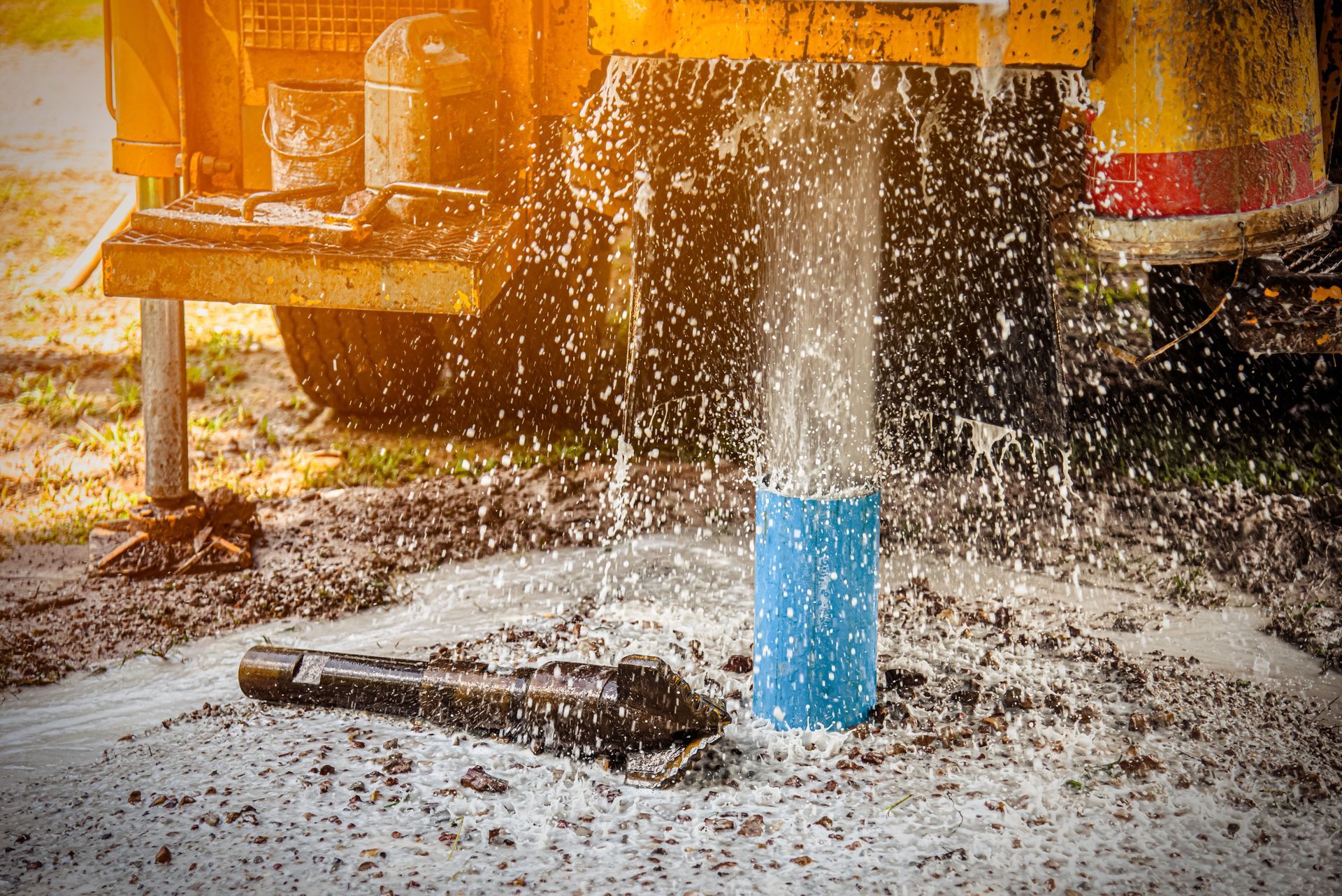
The reliability of a water supply depends on more than just the motor's horsepower; it relies on the protection of the source itself. To maintain a safe environment for the equipment and the water it moves, the surrounding structure must be built to last. According to the U.S. EPA, drillers typically use one of three main materials—carbon steel, plastic, or stainless steel—to construct the well casing that keeps contaminants out of the drinking water. This casing acts as a protective shield, preventing surface pollutants and loose soil from infiltrating the supply while providing a stable environment for the pump to operate without mechanical interference or clogging.
By exploring the dynamics of water pressure and the physical components of the well, homeowners can move away from reactive repairs and toward a strategy of performance optimization. A professional approach to a well system ensures that water pressure remains consistent during peak usage and that drinking water is shielded from external threats. Investing in the right technology and materials today provides the foundation for a resilient water system that serves the home's needs for decades.
Understanding Water Well Pumps and System Components
Water well pumps are vital for extracting water from underground sources, supplying it for various uses. Different types of pumps serve distinct purposes; some are designed to elevate water from deep wells, while others are suitable for shallower applications. Submersible pumps, jet pumps, and hand pumps are among the most popular types. A submersible pump is generally more efficient for deep wells, as it is pushed rather than pulled, providing a steady and reliable flow of water directly to the distribution network.
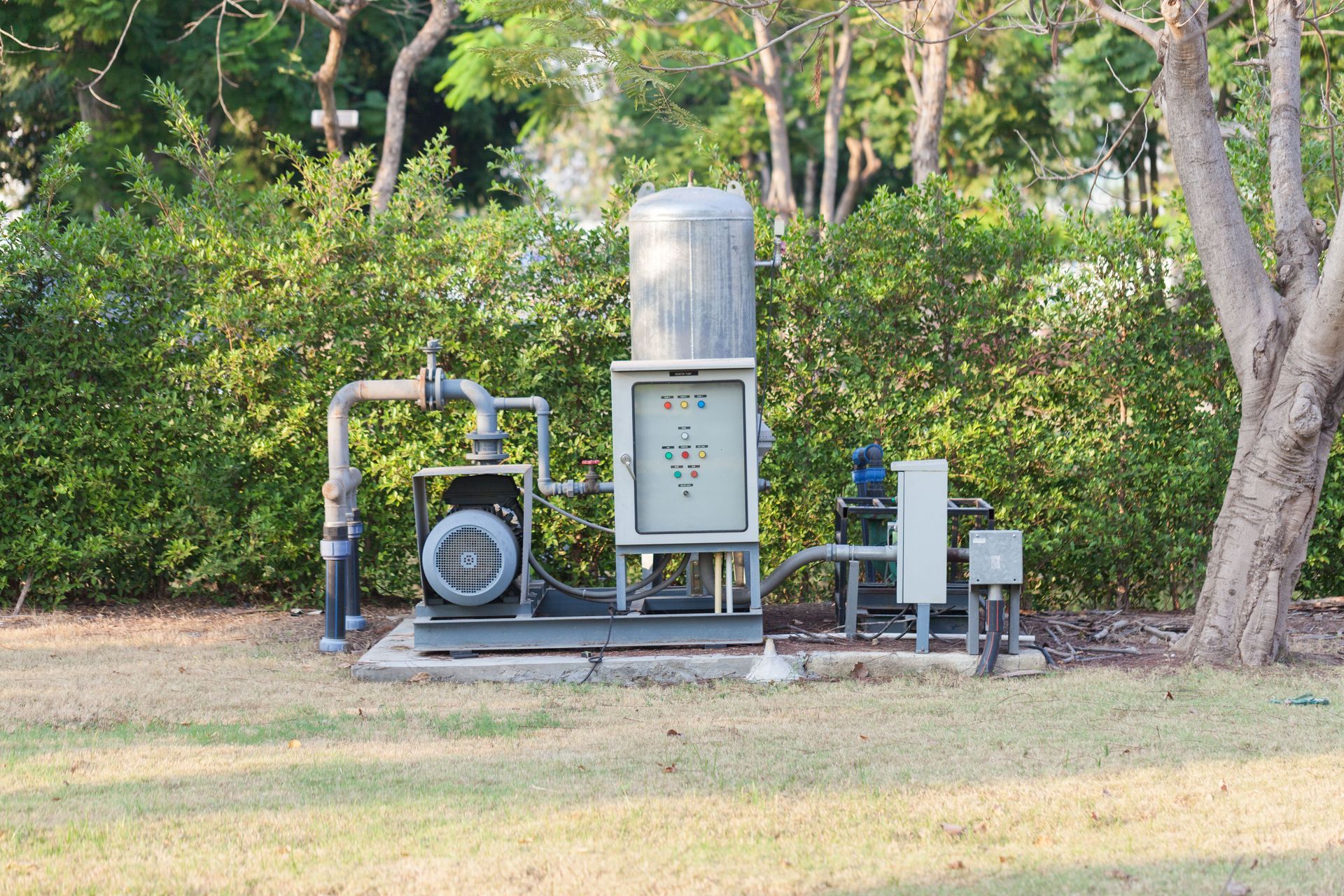
Components that make up a water well pump system include the pump itself, a motor, pipe fittings, and electrical components for automation. These components work in unison to draw water from the source and push it through the distribution system. The well casing plays a silent but vital role here; by utilizing carbon steel, plastic, or stainless steel, drillers create a reinforced conduit that prevents the collapse of the well and blocks surface runoff from entering the supply. This synergy between the mechanical pump and the physical casing ensures the safety and longevity of the water system by preventing internal contamination and mechanical wear.
Factors Affecting Water Pressure and System Delivery
Water pressure in a well system is influenced by several factors, starting with the pump's horsepower. A more powerful pump can sustain higher pressures, meeting the demands of larger households or intense irrigation needs. However, balancing these factors is essential, as sizing up a pump can lead to short-cycling, which wastes energy and significantly shortens the motor's lifespan. Furthermore, elevation changes between the well and the point of use can influence pressure, as water must be pushed upward against gravity to reach higher floors.
Piping design and material choices also significantly impact system pressure. Narrow pipes or those with sharp bends can create friction and resistance, reducing pressure at the outlet. Integrating durable materials like carbon steel and stainless steel ensures that the system remains resistant to rust and corrosion, which can otherwise cause internal friction and leaks. Proper pipe design is essential for minimizing the frictional forces that impede flow, ensuring that the pressure generated by the pump actually reaches the intended faucets.
The drawdown and recovery rates of the well itself play a critical role in maintaining consistent pressure. Fluctuation can lead to inconsistent flow at the tap and put additional strain on the motor as it tries to compensate for the shifting water table. A professional installation accounts for these variables, ensuring that the water well pump is calibrated to the specific recharge capabilities of your source to prevent dry-running and pressure drops during periods of heavy use.
Efficiency Considerations and Modern Innovations
The efficiency of a water well pump can significantly affect overall energy consumption and monthly utility costs. Higher efficiency pumps consume less electricity and provide a more sustainable solution for long-term water management. Modern technology has paved the way for smart pumps that incorporate sensors and IoT technologies to adapt performance based on real-time demands. These sophisticated features optimize energy use, reducing wastage while maintaining peak performance during periods of high demand.
Optimizing efficiency also requires careful consideration during system sizing. An oversized pump leads to increased mechanical wear and unnecessary electricity use, while an undersized pump will fail to meet the household's needs during peak hours. Proper evaluation of water needs, combined with the use of sustainable materials in the well casing, offers long-term benefits for the entire property.
Ultimately, water well pumps are indispensable for ensuring adequate water pressure and system efficiency. By understanding the myriad of factors affecting their operation—from the material of the well casing to the horsepower of the motor—stakeholders can make educated decisions that benefit water supply systems globally. As technology advances, it will continue to bring innovations like solar-powered pumps and AI-driven monitoring that further enhance performance and operational reliability.
Water security is a pillar of property ownership, and a proactive maintenance plan is the best way to safeguard that security. When the structural integrity of a well casing is prioritized alongside the mechanical health of the pump, homeowners are doing more than just maintaining a utility; they are protecting their family's health and the future value of their land. The convergence of durable construction materials and intelligent pump technology means that inconsistent pressure or the risk of contamination are preventable issues.
As we look toward the future, the integration of high-grade materials like stainless steel and smart diagnostics will continue to define the standard for excellence in water management. By staying informed and embracing professional standards, homeowners can ensure that their well remains a resilient, efficient, and pure resource. A well-managed system provides the reliable flow of clean water that is essential for every aspect of modern life, from domestic comfort to industrial productivity. Investing in quality components ensures that this vital resource remains accessible and safe for years to come.
A reliable and high-pressure water supply starts with a pump system designed for your specific needs. Are you ready to optimize your well's efficiency and ensure your drinking water stays pure with a professional-grade installation? Explore Morgan Well & Pump Inc's
water well pump options and see how an expert team can help you achieve lasting water security.